By Quinten, Owner, Q&A Fencing
Both vinyl and aluminum are built to sit outside through a Western Pennsylvania winter. Neither needs much from you. A few habits keep them in good shape, and a short check after the thaw catches small problems before they grow.
Snow load and plowed snow
A fence takes snow the way any wall does: a light layer is nothing, and a heavy drift pushes on the panels. The bigger risk is snow we put there ourselves. Do not pile plowed or shoveled snow against the fence. A tall pile adds weight on the panels, and as it melts the water works into the ground around the posts. Leave a gap, or pile it somewhere else.
Vinyl in deep cold
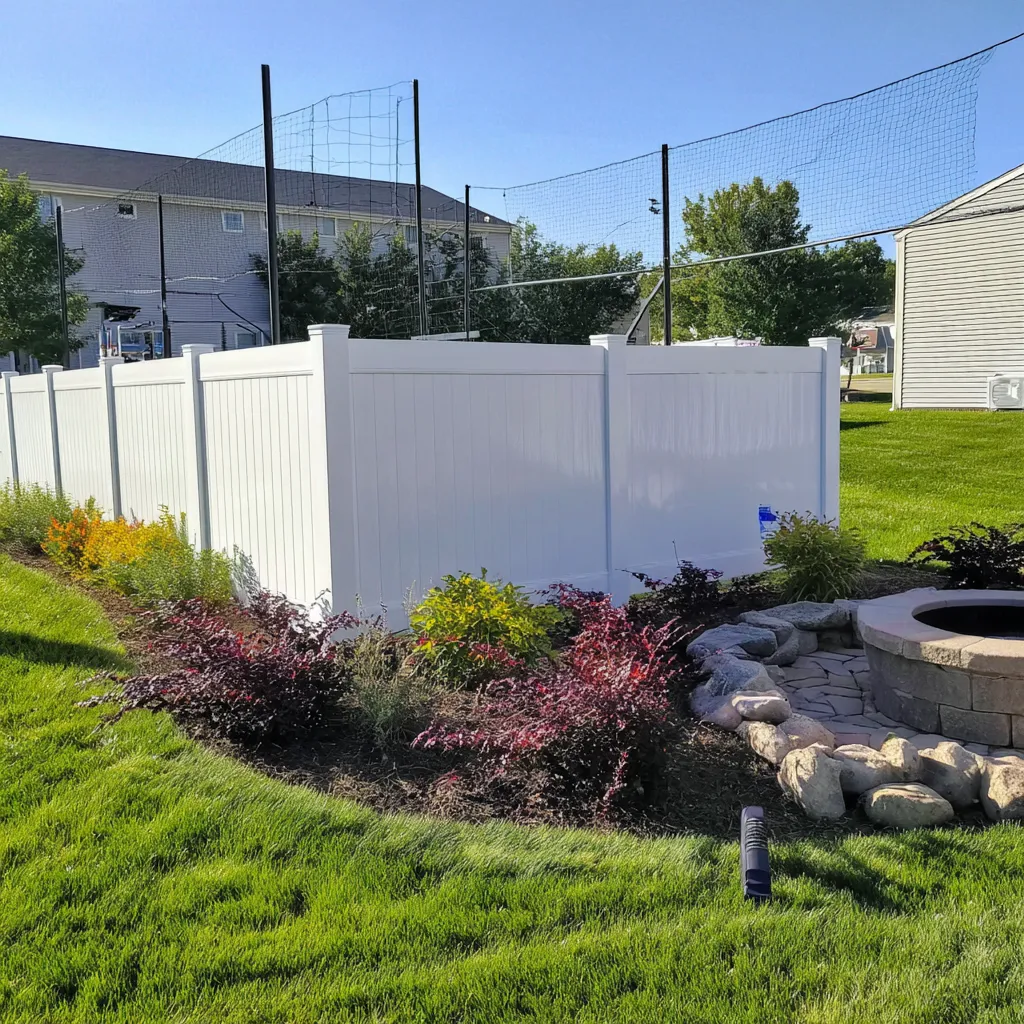
Vinyl gets more brittle as the temperature drops. Do not hit snow off a vinyl fence with a shovel, a broom handle or anything else that strikes it. A hard knock in a deep freeze can crack a rail or panel that would have flexed in July. Brush loose snow off gently, or let it melt. Our vinyl fencing page covers how the material is built.
Gates, hinges and latches
Gates are the first thing to fail in winter, because ice forms in the latch and along the bottom edge. Keep the hinges and latch clear of snow and ice, and do not force a frozen gate. Forcing it bends hardware and can twist the frame. Clear the ice, or wait for it to loosen.
De-icer, salt and aluminum
Salt and de-icer spray and powder coating do not mix well over many seasons. Aluminum fence is powder-coated, and a fence next to a road, driveway or walkway that gets salted will pick up a film of residue. Rinse the fence with plain water in spring to wash it off. The same rinse helps vinyl, and it keeps salt from sitting where the fence meets the ground.
Frost, posts and the thaw
Wet soil freezes and expands, and that can lift a post. This is why post depth matters. A post set below the frost line resists heaving, and a shallow one is the kind that leans after a hard winter. We covered the mechanics in our post on installing a fence in winter.
After the thaw, walk the fence line and check:
- Posts that lean or sit higher than they did in fall.
- Post caps that came loose or went missing.
- Sagging sections, or gaps under panels that were not there before.
- Gates that now drag, stick or no longer latch.
Our spring inspection checklist goes through this in full, and the guide on repairing or replacing a fence after winter helps you decide what a problem calls for.
Planning a new fence
If you are weighing vinyl against aluminum for a yard where winters are hard on a fence, such as in Bethel Park, start with the fence cost calculator to get a footage and a range in hand, then call us. We will talk through post depth for your soil and walk the layout with you.
Frequently asked questions
No. Vinyl is more brittle in deep cold, and a strike can crack it. Brush loose snow off gently or let it melt.
Salt and de-icer spray can build up on the powder-coated finish over time. Rinsing the fence with plain water in spring washes it off.
Look for a post that leans or sits higher than it did in fall, along with loose caps, sagging sections or a gate that no longer latches. If you see those after the thaw, give us a call.